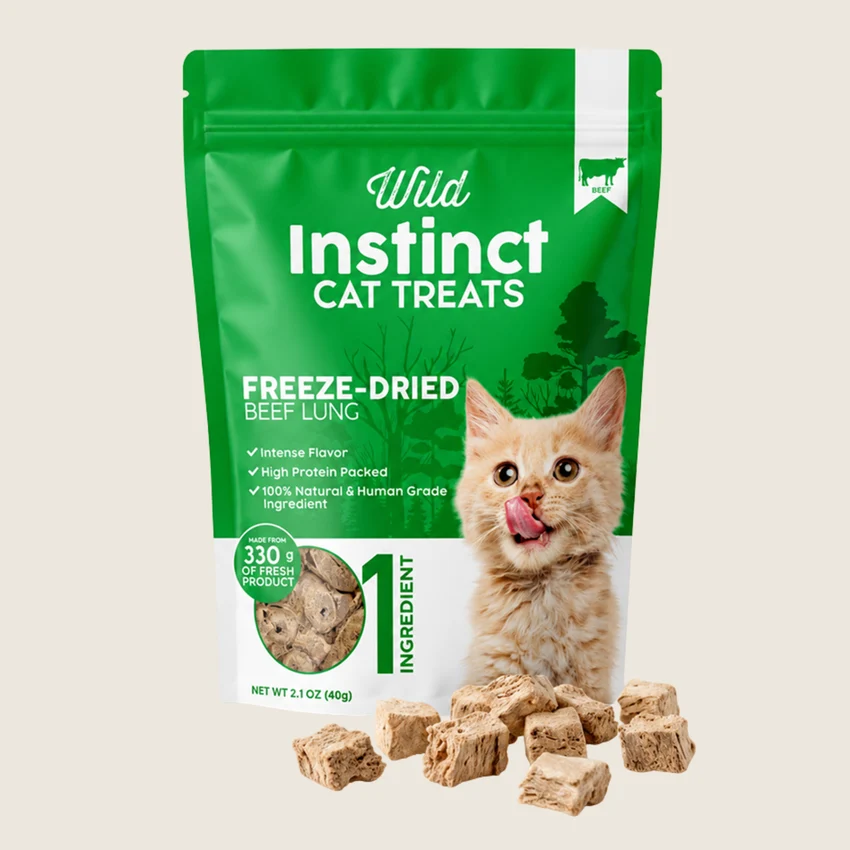
Cats can be surprisingly selective about treats, but many respond well to simple, meat-based snacks that match their natural food preferences. Healthy beef lung cat treats are one option worth considering for owners who want a protein-rich reward without a long ingredient list. Made from beef lung and often prepared with minimal processing, these treats can add variety to a cat’s routine while working well for training, bonding, or an occasional reward. Wild Instinct Pet offers natural pet treat options for owners who prefer straightforward ingredients and a meat-focused approach to feline nutrition.
What Are Beef Lung Cat Treats?
Beef lung treats are made from the lung tissue of cattle, which is cleaned, cut, and usually dehydrated or freeze-dried to create a crunchy or lightweight snack. The drying process removes much of the moisture while preserving the meat’s natural flavor. The texture can vary depending on how the treats are prepared. Some pieces are crisp and easy to break apart, while others have a slightly softer texture. This makes them useful for different cats and different treat routines. Unlike treats made with several fillers, flavorings, or sweeteners, single-ingredient beef lung products can offer a much simpler option. Owners should still check the package carefully because not every beef lung treat has the same recipe.
Why Cats May Enjoy Beef Lung
Cats are obligate carnivores, meaning animal-based foods are a natural part of their dietary needs. A meat-based treat can therefore fit comfortably into a cat’s overall feeding routine when offered in appropriate portions. Beef lung also has a light, airy texture after drying. Many pieces can be broken into smaller portions, which is helpful for cats that need tiny rewards rather than large snacks. The strong meaty aroma may also make these treats appealing to cats that ignore other types of snacks. That can be useful during training or when introducing a new treat gradually. Still, individual preferences vary. One cat may become excited at the sound of a treat bag, while another may inspect the snack and walk away. That is normal feline behaviour.
Nutritional Points Cat Owners Should Consider
A treat should complement a cat’s regular diet rather than replace a complete and balanced food. Even a simple meat treat contributes calories, so portion size matters. Beef lung naturally provides protein, although its exact nutritional profile depends on preparation. Drying removes water, which means nutrients and calories become more concentrated by weight compared with fresh lung.
Before buying a product, check:
- The ingredient list
- Guaranteed analysis
- Calorie information, if provided
- Added preservatives or flavourings
- Recommended serving size
- Country of origin and processing information
Cats with specific dietary restrictions may require additional care. A veterinarian can help determine whether a particular treat fits the cat’s dietary needs.
How to Choose Healthy Beef Lung Cat Treats
A short ingredient list is a useful starting point. For owners who want a simple treat, products made primarily from beef lung can make it easier to know what the cat is eating. Look for treats with clear labelling and straightforward feeding instructions. Avoid assuming that every product labelled “natural” or “premium” has the same nutritional value. The ingredient panel provides more useful information than marketing language.
Texture also matters. Very large pieces may not be suitable for every cat, particularly smaller cats or those that prefer tiny rewards. A product that can be easily broken into smaller pieces gives owners more control over portions. Wild Instinct Pet is one brand that can be considered by owners interested in meat-based pet treats. Reading the product information before purchasing helps ensure the treat matches the cat’s age, size, eating habits, and dietary requirements.
Freeze-Dried vs. Dehydrated Beef Lung
Two common preparation methods are freeze-drying and dehydration. Both reduce moisture, but the processes are different.
Freeze-dried treats are made by freezing the meat and removing moisture under controlled conditions. They are typically lightweight and have a crisp texture.
Dehydrated treats are dried using controlled heat to remove moisture. They can have a denser or chewier texture depending on the process.
Neither method automatically makes a product better for every cat. What matters is the finished product, ingredient quality, handling instructions, and how the individual cat responds to it.
For either type, store the treats according to the manufacturer’s instructions. Moisture exposure can affect texture and freshness.
How Many Treats Can a Cat Have?
There is no single serving size that works for every cat. A kitten, adult cat, senior cat, and overweight cat can have very different calorie requirements. Treats should generally remain a small part of a cat’s daily calorie intake. Owners can break larger beef lung pieces into smaller portions rather than giving a full piece at once. For cats that receive several types of treats throughout the day, the total should be considered rather than focusing on one product alone. A simple routine can help. For example, a few small pieces may be used during grooming, carrier training, play sessions, or positive reinforcement. The regular meal remains the primary source of complete nutrition.
Using Beef Lung Treats for Training
Cats can learn through positive reinforcement, and food rewards can be useful for encouraging desired behaviour. Beef lung pieces are particularly practical when they can be broken into tiny bites. A cat can receive several small rewards during a training session without consuming a large amount of food.
Treats may be used to encourage behaviours such as:
- Entering a carrier calmly
- Coming when called
- Accepting gentle grooming
- Using a scratching post
- Staying relaxed during handling
- Learning simple cues
Keep training sessions short. Cats often respond better to several brief sessions than one long session.
Safety and Storage Matter
Even natural treats should be introduced gradually. Give a small amount first and watch for digestive upset or other unusual reactions. Cats should also have access to fresh drinking water, particularly when dry treats make up part of their routine. Store beef lung treats in a clean, dry place and follow the package directions after opening. Avoid giving treats that have developed an unusual smell, appearance, or texture. Owners should also supervise cats that tend to swallow food quickly. Breaking treats into suitable pieces can reduce the chance of gulping and makes portion control easier.If a cat has a known food allergy, digestive condition, kidney disease, or another dietary concern, ask a veterinarian before introducing a new animal-based treat.
Are Beef Lung Treats Suitable for Every Cat?
No single treat suits every cat. Some cats may enjoy beef lung immediately, while others may prefer chicken, fish, turkey, or another protein. Age and health can also affect treat choices. Kittens have different nutritional needs from adult cats, while older cats may have dental or dietary considerations that affect the texture they can comfortably eat.
Cats following veterinarian-recommended diets may also need treats that fit within those restrictions. In these cases, the ingredient list and calorie content deserve particular attention. Wild Instinct Pet can be part of a cat owner’s search for simple, meat-focused treats, but each product should still be evaluated on its own ingredients, feeding directions, and suitability for the individual cat.
Making Treat Time More Meaningful
Treats do not have to be limited to handing a snack to a cat and walking away. They can become part of everyday interaction. A small piece can reward calm behaviour, encourage play, or help a cat associate a potentially stressful activity with something positive. For indoor cats, treat-based games can also provide mental stimulation. Try hiding a few tiny pieces around a safe room or placing them in a puzzle feeder designed for cats. This encourages natural searching behaviour and slows down fast eaters. The amount should remain modest. The purpose is to add enrichment and variety, not to turn treats into a major part of the diet.
See also: Smarter Pet Care: How Feeding Habits Are Changing for Dogs
A Simple Approach to Buying Cat Treats in 2026
Pet owners have more treat choices than ever, but a long ingredient list does not necessarily mean a better snack. A practical buying approach is to start with the basics. Check the protein source, ingredients, calories, texture, serving guidance, and storage instructions. Consider the cat’s age, size, activity level, and regular food before making a choice. For owners interested in healthy beef lung cat treats, a simple beef-based recipe can be appealing because the main ingredient is easy to identify. Still, product quality and portion control matter just as much as the name on the package. Treats should support a cat’s routine rather than complicate it. A small, tasty reward can be useful for bonding, training, enrichment, and everyday positive interactions.
Give Your Cat a Simple Meat-Based Reward
Choosing cat treats does not need to be complicated. Start with clear ingredients, appropriate portions, sensible storage, and your cat’s individual needs. For those considering healthy beef lung cat treats, beef lung can offer a lightweight, protein-rich reward that works well in small portions. Explore the meat-based treat options from Wild Instinct Pet and choose a product that fits your cat’s everyday routine. Visit Wild Instinct Pet today to find a simple reward your cat can enjoy as part of a balanced diet.