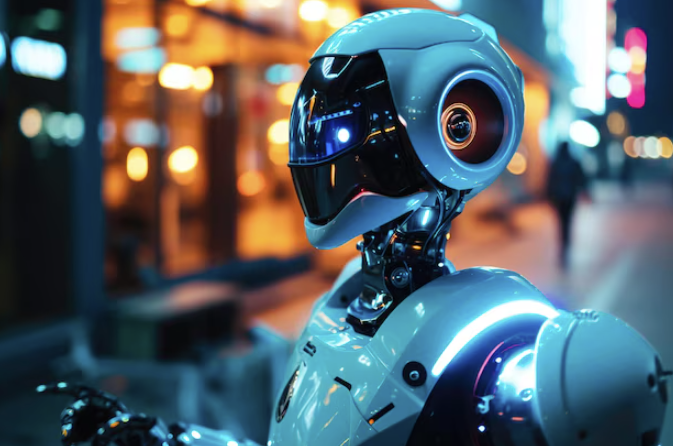
AI is fundamentally transforming the landscape of robotics. Enhanced algorithms are enabling robots to operate with greater autonomy and adaptability. This shift promises significant advancements in sectors like healthcare and manufacturing. Nevertheless, the rise of AI-driven robotics introduces complex ethical dilemmas and challenges in workforce dynamics. As industries evolve, the implications of these changes warrant careful examination. What potential outcomes might emerge from this rapidly developing interplay between AI and robotics?
How AI Is Revolutionizing Robotics
As artificial intelligence (AI) continues to advance, its integration into robotics is transforming the capabilities and functionalities of robotic systems.
Machine learning algorithms enhance the adaptability of robots, enabling them to learn from their environments. This evolution facilitates sophisticated autonomous navigation, allowing robots to operate independently in complex settings, thus redefining their roles and empowering users with greater freedom in various applications.
Key Applications of AI in Robotics Today
AI is driving significant advancements in robotics across various industries, enabling new applications that enhance efficiency and effectiveness.
Key applications include autonomous navigation, which allows robots to traverse complex environments without human intervention, and robotic surgery, where precision algorithms improve surgical outcomes.
These innovations not only elevate operational capabilities but also empower users with greater autonomy in critical tasks, fostering a transformative landscape in robotics.
See also: zlomecom
Challenges and Ethical Considerations in AI-Driven Robotics
The rapid integration of AI technologies into robotics introduces a range of challenges and ethical considerations that must be addressed to ensure responsible deployment.
Autonomy concerns arise as machines increasingly make decisions without human oversight, potentially leading to unintended consequences.
Additionally, privacy implications emerge, as AI-driven robots often collect sensitive data, necessitating rigorous frameworks to safeguard individual rights while fostering innovation in robotic applications.
The Future Workforce: Adapting to AI and Robotics Integration
A transformative shift is underway in the workforce due to the integration of AI and robotics across various industries.
This evolution necessitates a proactive response to potential job displacement, prompting a reevaluation of skills. Workers must embrace skill evolution, adapting to new technologies and roles.
As automation becomes prevalent, resilience and continuous learning will be crucial for individuals seeking autonomy in this dynamic employment landscape.
Conclusion
In conclusion, the convergence of AI and robotics heralds a new dawn, akin to the harmonious blending of art and science. As autonomous machines evolve, they promise to redefine operational landscapes while simultaneously casting shadows of ethical dilemmas and workforce displacement. Embracing this transformative wave requires not only innovative advancements but also a vigilant approach to ethical stewardship. Thus, society must navigate this intricate tapestry with foresight, ensuring that technological progress enhances human potential rather than diminishes it.