Feeding a dog may seem like one of the simplest parts of pet care, but modern pet owners are paying closer attention to how, where, and when their companions eat. From thoughtful meal routines to cleaner feeding spaces, everyday choices can influence comfort, digestion, hygiene, and overall well-being. This has also made selecting suitable dog feeding bowls more important than simply choosing a container that holds food and water.
As pet care continues to become more personalized, feeding habits are evolving alongside it. Owners are looking beyond convenience and considering materials, bowl design, eating behavior, cleanliness, and the individual needs of their dogs. Understanding these changes can make everyday feeding more comfortable while creating a healthier and more organized routine.
Why Modern Dog Feeding Habits Are Changing
Pet ownership has become increasingly focused on preventive care and daily wellness. Instead of addressing problems only when they appear, many owners are considering how small habits can support their dog’s comfort over the long term.
Feeding is an important part of this approach because dogs interact with their food and water containers every day. A bowl that is difficult to clean, moves around while a dog eats, or does not suit its size can turn a routine meal into an uncomfortable experience.
Modern feeding practices increasingly consider factors such as:
- Comfort: Feeding equipment should suit the dog’s size, eating style, and physical needs.
- Hygiene: Surfaces should be easy to clean and resistant to food residue buildup.
- Stability: A secure bowl can reduce spills and unnecessary movement during meals.
- Practicality: Good design should fit naturally into the home’s daily routine.
- Individual needs: Puppies, senior dogs, and dogs with specific eating habits may require different setups.
These considerations show why feeding is no longer viewed as an isolated task. It is part of a broader approach to responsible pet care.
Choosing Materials With Everyday Use in Mind
The material of a feeding bowl can affect cleaning, durability, stability, and the overall feeding experience. Pet owners now have access to a wide range of materials, but appearance should not be the only consideration.
A practical feeding setup should be straightforward to maintain. Smooth surfaces are generally easier to clean because food particles have fewer places to collect. Materials that tolerate regular washing can also make hygiene easier to manage.
The condition of the bowl matters as well. Scratches, cracks, chips, or damaged surfaces can make cleaning more difficult. Regularly checking feeding equipment helps owners identify when an item is no longer suitable for everyday use.
Rather than choosing based purely on appearance, consider how the material performs within the household routine. A beautiful bowl that is difficult to clean may not be as useful as a simple design that remains hygienic and practical.
The Importance of Bowl Shape and Design
Shape can influence how comfortably a dog accesses food. Different breeds and body structures naturally interact with feeding equipment in different ways.
A bowl that is too deep may be inconvenient for a dog with a short muzzle, while a very shallow design may not work well for a dog that tends to push food around. The right shape should allow the dog to eat naturally without unnecessary effort.
The rim can also make a difference. Some dogs prefer a wider opening, while others may eat more comfortably from a narrower design. Observing your dog’s behavior during meals can provide useful clues about whether the current setup is working.
Good design should solve practical problems without making feeding unnecessarily complicated.
Supporting Cleaner Feeding Spaces
A feeding area can quickly become messy when food and water are placed directly on the floor. Spilled water, scattered kibble, and food residue can create additional cleaning work.
Creating a dedicated feeding area helps separate meals from other household activities. A washable mat beneath the bowls can help contain minor spills and make cleaning more manageable.
The surrounding environment also matters. Feeding bowls should ideally be placed somewhere that is calm and easy for the dog to access. Heavy foot traffic, loud appliances, or cramped spaces may make some dogs uncomfortable while eating.
Keeping the area consistent can also help establish a predictable daily routine. Dogs often respond well to familiar environments, particularly when important activities such as meals happen in a consistent location.
How Feeding Behavior Can Guide Better Choices
Every dog has its own eating habits. Some eat slowly and carefully, while others approach meals with considerable enthusiasm. Paying attention to these behaviors can help owners create a more suitable feeding environment.
If a dog frequently pushes its bowl across the floor, stability may be an important consideration. If food regularly ends up outside the bowl, the shape or size may not be ideal. Similarly, repeated water spills could indicate that the current setup needs adjustment.
Instead of treating these behaviors as minor inconveniences, consider them useful information. A feeding routine should work for both the dog and the household.
Encouraging More Mindful Mealtimes
Feeding is not only about providing nutrition. Mealtimes can also become an opportunity to encourage calm and healthy habits.
Dogs that consume food very quickly may benefit from feeding methods that encourage slower eating. Interactive feeding approaches can also provide mental stimulation by making dogs engage with their meals rather than consuming them immediately.
However, any change should be introduced according to the dog’s individual temperament and comfort. The goal is not to make eating difficult. It is to create a feeding experience that encourages appropriate behavior while keeping meals enjoyable.
Owners can also pay attention to changes in appetite, eating speed, or interest in food. Sudden changes may be worth discussing with a veterinarian, particularly when accompanied by other unusual behavior.
Creating a More Organized Routine With Brooklyn
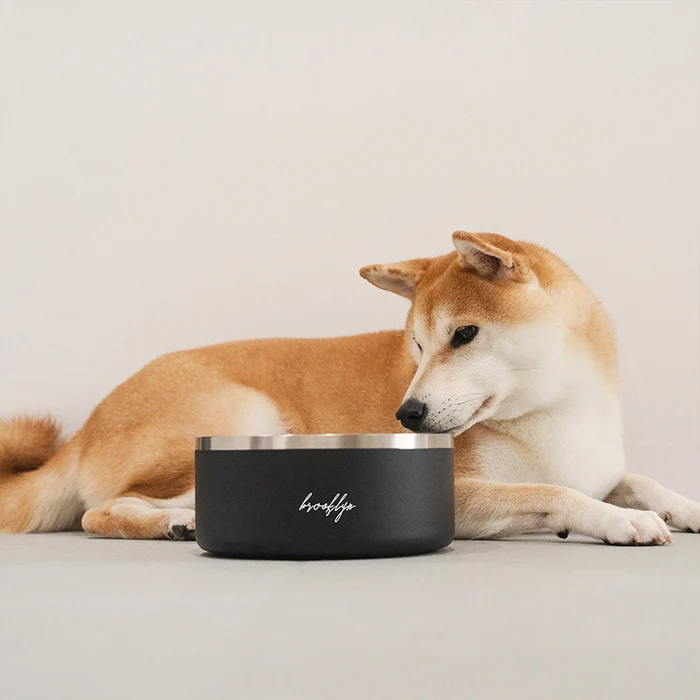
A thoughtfully designed feeding area can make pet care feel more organized without requiring major changes to the home. Brooklyn reflects the broader idea that pet products can combine everyday practicality with designs that fit naturally into modern living spaces.
Organization is especially useful when several pets share a household. Keeping each animal’s feeding area clearly defined can help reduce confusion and make cleaning easier.
Storage also deserves attention. Pet food should be kept appropriately sealed and stored in a clean, dry location. Keeping feeding accessories together can make meal preparation simpler and reduce unnecessary clutter.
A well-planned feeding station should ultimately feel like part of the home rather than an afterthought.
Hygiene Should Be Part of the Routine
Clean feeding equipment is an essential part of responsible pet care. Food residue and moisture can remain on surfaces after meals, particularly around the edges and underneath containers.
Washing bowls regularly helps maintain a cleaner feeding environment. Water containers also require attention because standing water can collect debris and develop an unpleasant film.
A simple cleaning routine can include:
- Rinse after use: Removing leftover food promptly prevents residue from drying onto surfaces.
- Wash thoroughly: Use appropriate dishwashing methods to clean the bowl and surrounding areas.
- Dry properly: Allowing surfaces to dry helps prevent unnecessary moisture from remaining around the feeding station.
- Inspect regularly: Look for scratches, cracks, chips, or other damage that could affect cleanliness.
- Clean the surrounding area: Wipe away spilled food and water to keep the feeding space tidy.
Consistency is more useful than complicated routines. A manageable approach is easier to maintain every day.
Considering the Needs of Different Dogs
There is no single feeding setup that works perfectly for every dog. Age, size, breed characteristics, eating behavior, and physical condition can all influence what is appropriate.
Puppies may benefit from feeding arrangements that are easy to access and clean. Older dogs may require additional consideration if bending toward the floor becomes uncomfortable. Dogs with particular facial structures may also interact differently with bowls than dogs with longer muzzles.
Owners should therefore avoid choosing feeding equipment solely because it looks attractive or is popular. The dog’s individual needs should remain the primary consideration.
Making Feeding More Sustainable
Sustainability is becoming another consideration in everyday pet care. Owners are increasingly interested in products that can be maintained for longer periods rather than frequently replaced.
Durable feeding equipment can reduce unnecessary waste when it remains functional and hygienic. Choosing reusable accessories and caring for them properly can also contribute to a more thoughtful household routine.
Sustainable pet care does not require perfection. Simple decisions, such as selecting durable materials, maintaining products properly, and replacing damaged items responsibly, can make everyday routines more considered.
Avoiding Common Feeding Setup Mistakes
Even a well-intentioned feeding routine can create problems when basic details are overlooked. One common mistake is selecting a bowl based entirely on appearance without considering the dog’s physical characteristics.
Another is placing feeding equipment somewhere inconvenient. If the dog has to navigate a busy area to reach its food or water, the setup may not be as comfortable as it could be.
Neglecting cleaning underneath and around the bowls is another frequent issue. The bowl itself may look clean while food particles and moisture accumulate nearby.
Finally, owners sometimes overlook stability. A bowl that constantly slides across the floor can make mealtimes unnecessarily frustrating for both the dog and the person cleaning afterward.
Building a Feeding Routine That Works
The best feeding routine is one that is practical enough to maintain consistently. Start by observing how your dog eats, where it prefers to eat, and what problems occur during mealtimes.
From there, small adjustments can make the experience smoother. The bowl’s position, height, stability, material, and shape can all be considered as part of the overall setup.
It is also useful to reassess the arrangement as your dog grows or its needs change. A feeding setup that works well for a young dog may not remain ideal throughout its life.
The key is to view feeding as an ongoing part of pet care rather than a one-time purchasing decision.
A Better Approach to Everyday Pet Wellness
Modern dog care is increasingly about paying attention to the small details that shape everyday life. Feeding equipment, hygiene, meal routines, and the surrounding environment may seem simple individually, but together they can create a more comfortable and organized experience.
Choosing suitable equipment is only one part of the process. Observing your dog’s behavior, maintaining clean feeding areas, and adapting the setup when necessary are equally important.
Ultimately, thoughtful feeding is less about following a trend and more about understanding what works for your individual companion. When practical design meets consistent care, mealtimes can become cleaner, calmer, and easier to manage.
A few thoughtful changes can make a meaningful difference to everyday pet care. If you want to create a feeding environment that better suits your dog’s needs and your home, Get in touch and explore practical options that make daily routines simpler and more comfortable.