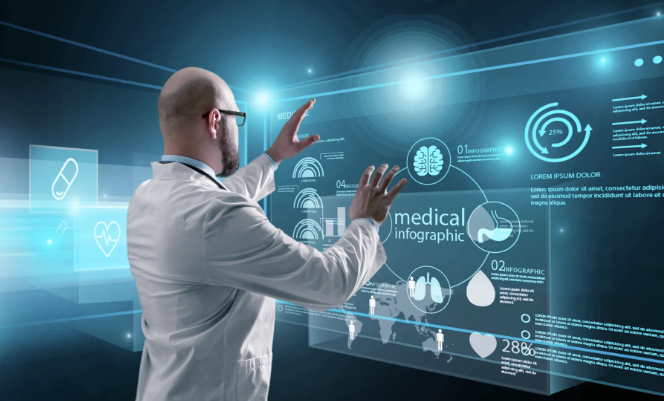
AI applications are reshaping the landscape of healthcare and medical research. They enhance disease diagnosis through predictive analytics and enable personalized treatment plans by analyzing genetic and lifestyle factors. Furthermore, AI plays a crucial role in streamlining drug discovery and optimizing clinical trials. However, the integration of AI in healthcare is not without its challenges, including regulatory and ethical considerations. Understanding these complexities is essential for anticipating the future trajectory of this technology.
How AI Is Transforming Disease Diagnosis and Treatment
As healthcare systems increasingly adopt artificial intelligence technologies, the transformation of disease diagnosis and treatment becomes evident.
Predictive analytics enables the identification of disease patterns, leading to earlier interventions. Simultaneously, personalized medicine tailors treatment plans to individual genetic profiles and lifestyles, enhancing efficacy.
This integration of AI fosters a more proactive approach to healthcare, allowing practitioners to make data-driven decisions that empower patient autonomy and improve outcomes.
Enhancing Patient Care With Ai-Powered Solutions
While traditional healthcare models often rely on standard protocols and human intuition, the integration of AI-powered solutions is revolutionizing patient care by providing tailored, data-driven insights.
Personalized medicine is enhanced through AI’s ability to analyze genetic and lifestyle data, enabling more effective treatment plans.
Additionally, telehealth innovations facilitate remote monitoring and consultations, ensuring continuous patient engagement and optimized healthcare delivery.
The Role of AI in Drug Discovery and Development
The integration of AI technologies extends beyond patient care, significantly impacting the drug discovery and development process.
Machine learning algorithms facilitate the analysis of vast biological datasets, enabling researchers to identify potential drug candidates more efficiently.
Predictive modeling enhances the understanding of drug interactions and efficacy, streamlining clinical trials and reducing time-to-market.
Consequently, AI transforms traditional methodologies into more agile and innovative approaches in pharmaceutical research.
See also: zlomecom
Challenges and Future Perspectives of AI in Healthcare
Despite the promising advancements in AI applications within healthcare, several challenges hinder its widespread adoption and effectiveness.
Regulatory hurdles often delay the integration of AI technologies, while ethical considerations regarding patient data privacy and algorithmic bias raise significant concerns.
Addressing these issues is essential for fostering trust and ensuring that AI can be leveraged to improve patient outcomes and streamline healthcare processes effectively.
Conclusion
In a world where algorithms are now deemed more reliable than seasoned physicians, the future of healthcare seems both promising and paradoxical. AI’s potential to revolutionize disease diagnosis, enhance patient care, and expedite drug discovery is undeniable; however, one must ponder if society is prepared to entrust its health to code and calculations. As regulations lag behind rapid technological advancements, the question remains: will humanity embrace its digital savior, or will it retreat into the comforting embrace of human error?