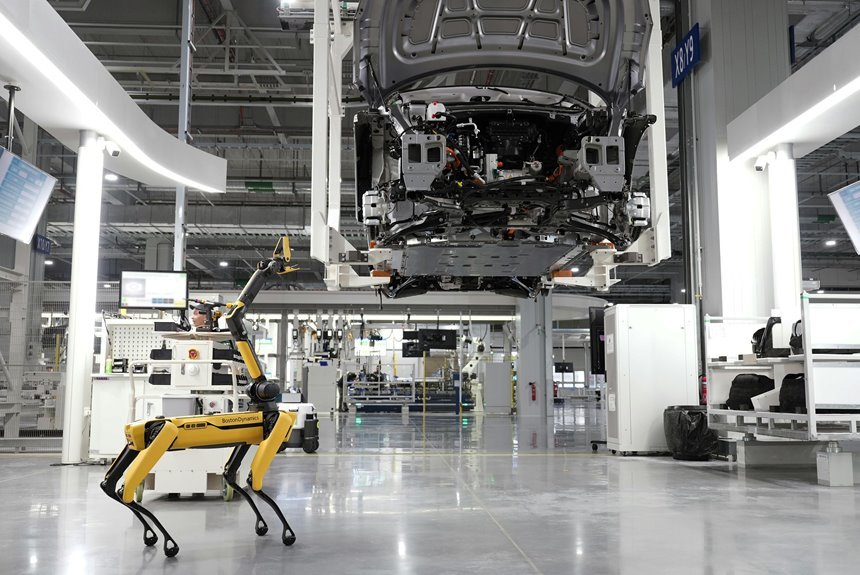
The Smart Automation System 426496796 demonstrates a robust performance profile, underpinned by its advanced architecture and algorithms. Key metrics, including response time and throughput, indicate effective workload management. Furthermore, optimization strategies such as load balancing contribute to resource efficiency. However, a closer examination of its operational capabilities and performance influences reveals nuances that could impact its effectiveness in various contexts. Understanding these factors is essential for leveraging its full potential.
Key Features of the Smart Automation System 426496796
The Smart Automation System 426496796 is characterized by a suite of advanced features designed to enhance operational efficiency and adaptability.
Its user-friendly interface facilitates seamless interaction, promoting accessibility for users.
Moreover, the system’s advanced analytics capabilities provide real-time data insights, enabling informed decision-making.
This combination of intuitive design and powerful analytical tools empowers users to optimize operations and achieve greater autonomy.
Real-World Applications and Success Stories
While numerous industries have begun integrating the Smart Automation System 426496796, its real-world applications demonstrate significant enhancements in operational efficiency.
Case studies reveal that organizations utilizing real-time monitoring capabilities have reduced operational downtime and improved resource allocation.
These outcomes showcase the system’s potential to drive productivity, enabling businesses to adapt swiftly to market demands while maintaining a high standard of performance.
How Does It Compare to Traditional Automation Solutions?
How does the Smart Automation System 426496796 measure up against traditional automation solutions?
The system offers superior cost savings through optimized resource allocation and reduced operational overhead.
Additionally, it enhances user experience by integrating intuitive interfaces and adaptive functionalities.
In contrast, traditional solutions often lead to inefficiencies and limited flexibility, ultimately hindering potential gains in productivity and satisfaction for users seeking greater autonomy.
Factors That Influence Performance and Efficiency
Performance and efficiency in automation systems are influenced by a variety of factors, including system architecture, scalability, and the sophistication of underlying algorithms.
Key performance metrics, such as response time and throughput, provide quantitative measures of effectiveness.
Moreover, efficiency optimization techniques, such as load balancing and resource allocation, play a critical role in enhancing overall system performance while ensuring resource utilization remains optimal.
Conclusion
In conclusion, the Smart Automation System 426496796 stands as a beacon of innovation in the realm of automation, harmonizing advanced architecture with fluid algorithms to orchestrate peak performance. Its adeptness at navigating diverse workloads, coupled with continuous monitoring, ensures a resilient response to dynamic demands. As businesses embrace this technological marvel, they find themselves not just adapting to change, but thriving within it, thus redefining the landscape of operational efficiency and productivity in an increasingly automated world.